
Carabin Shaw is one of the leading personal injury law firms in Texas. They have extensive experience in car accident cases, focusing on securing compensation for clients’ medical bills, property damage, and pain and suffering.
Specialization: Personal injury, car accidents, wrongful death, 18-wheeler accidents.
Why choose them? Carabin Shaw offers a free initial consultation, and its team is known for aggressively advocating for its clients’ rights.
Back and Spine Injuries from Car Accidents: Herniated Discs and Chronic Pain
San Antonio’s congested highways witness devastating spinal injuries daily, with over 5 million motor vehicle collisions nationwide resulting in more than 2 million injured occupants annually. Among these casualties, back and spine injuries represent some of the most debilitating and financially catastrophic outcomes, particularly herniated discs that transform active lives into chronicles of chronic pain and disability.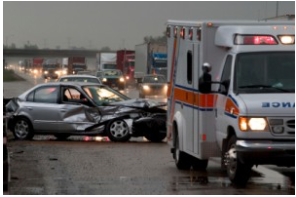 More about our car accident lawyers San Antonio here
The Anatomy of Spinal Devastation
The human spine serves as the body’s central support system, housing 24 vertebrae separated by intervertebral discs that function as shock absorbers. These disc structures contain gel-like nuclei surrounded by tough outer rings called annuli. During San Antonio car accidents—particularly rear-end collisions on Interstate 35 or T-bone crashes at Loop 1604 intersections—extreme forces compress, twist, and hyperextend the spine beyond its designed limits.
Research from leading medical institutions reveals that spinal injuries affect 511 out of every 10,000 motor vehicle collision occupants, with injury rates escalating as impact severity increases. The cervical and lumbar regions experience the highest injury rates because they bear the brunt of collision forces.
Herniated discs occur when trauma ruptures the inner gel-like material through the outer annular wall, creating protrusions that compress nearby nerve roots. This compression triggers inflammatory cascades that sensitize neurons and generate intense pain signals throughout the body. Unlike gradual degenerative disc disease, traumatic herniations create distinct patterns of tissue damage and annular tears that medical experts can identify as accident-related.
A study of 903 car accident patients found significant variations in spinal pathology by collision type. Side-swipe accidents produced higher rates of cervical disc derangement, while head-on and side-impact collisions more frequently caused lumbar disc damage. These findings underscore the complex biomechanical forces that determine injury patterns and long-term disability outcomes.
Beyond Herniated Discs: The Spectrum of Spinal Trauma
Car accidents produce multiple types of spinal injuries that often occur simultaneously, compounding the victim’s suffering and treatment complexity. Compression fractures develop when vertebrae crack under extreme pressure, typically affecting the thoracic and lumbar regions during high-speed collisions. These fractures may appear stable initially but can collapse over time, causing progressive deformity and neurological complications.
Radiculitis represents nerve root inflammation without visible disc herniation on MRI imaging, yet produces debilitating symptoms including shooting pain, numbness, and weakness radiating into extremities. This condition particularly affects side-swipe accident victims, where rotational forces stretch nerve roots beyond their tolerance limits.
Spondylolisthesis occurs when a fractured vertebra shifts position, potentially compressing the spinal cord. This unstable condition requires immediate surgical intervention to prevent permanent paralysis, yet symptoms may not manifest until days after the initial trauma.
Muscle strains and ligament tears throughout the paraspinal region create additional layers of pain and dysfunction. These soft tissue injuries heal slowly and often incompletely, contributing to chronic pain syndromes that persist long after bone healing completes.
The Chronic Pain Trajectory
Medical literature demonstrates that spinal injuries from car accidents frequently progress from acute trauma to chronic pain conditions affecting victims for decades. Research tracking herniated disc patients reveals that approximately 50% require treatment exceeding one year, with many developing permanent functional limitations.
The transition from acute to chronic pain involves complex physiological changes. Initial tissue damage triggers inflammatory responses that sensitize pain receptors throughout the spine. As healing attempts occur, scar tissue formation can create new sources of nerve compression and movement restriction. Failed healing responses often necessitate surgical intervention, adding operative risks and recovery complications to already challenging cases.
Chronic back pain from car accident injuries manifests through multiple mechanisms. Nerve root compression causes radicular pain that radiates into arms or legs, creating burning, shooting, or electric shock sensations. Muscle spasms develop as the body attempts to protect damaged structures, leading to secondary pain and movement limitations. Joint dysfunction from altered spinal mechanics produces additional discomfort and progressive arthritis.
Economic Devastation and Treatment Costs
Herniated disc injuries create staggering financial burdens that extend far beyond initial emergency treatment. Settlement data from recent cases reveals compensation ranges from $50,000 to over $400,000, depending on injury severity, treatment requirements, and disability duration.
Conservative treatment typically begins with physical therapy, pain management injections, and medication regimens costing $15,000 to $30,000 over six months. However, studies show that approximately 40% of herniated disc patients ultimately require surgical intervention when conservative measures fail.
Surgical procedures for spinal injuries range from minimally invasive discectomies at $25,000 to complex spinal fusion operations exceeding $100,000. Post-operative complications, revision surgeries, and hardware failures can double or triple these costs while extending recovery timelines indefinitely.
Long-term disability costs often dwarf acute treatment expenses. Victims unable to return to their previous occupations face decades of lost earning capacity. Manual laborers, healthcare workers, and transportation professionals frequently cannot perform essential job functions with chronic back limitations, forcing career changes or early retirement.
Recent case outcomes demonstrate the stakes involved. A Texas tractor-trailer collision resulted in a $3 million settlement for severe spinal complications requiring fusion surgery and permanent pain management. A 17-year-old passenger struck by a box truck initially received a $100,000 settlement offer, which she rejected, ultimately securing a $4.5 million jury award that properly valued her lifetime needs.
San Antonio’s Unique Risk Factors
San Antonio’s rapid population growth, aging infrastructure, and aggressive traffic patterns create perfect conditions for severe spinal injuries. The city’s ranking among America’s worst for drunk driving accidents compounds collision severity, as impaired drivers often fail to brake before impact, increasing the forces transmitted to the victim’s spine.
Rush-hour congestion on major arteries such as Highway 151, Loop 410, and Interstate 10 creates stop-and-go conditions that frequently lead to rear-end collisions. These impacts subject occupants to rapid acceleration-deceleration forces that overwhelm spinal protective mechanisms, particularly in older vehicles lacking modern safety features.
Construction zones throughout San Antonio’s expanding highway system present additional hazards. Work zone accidents often involve commercial vehicles whose increased mass creates exponentially greater impact forces, resulting in more severe spinal trauma and higher rates of permanent disability.
Fighting Insurance Company Tactics
Insurance companies deploy sophisticated strategies to minimize spinal injury claims, recognizing that successful challenges can save hundreds of thousands in compensation costs. Pre-existing condition arguments represent their most common defense, claiming that degenerative changes visible on imaging preceded the accident. However, traumatic disc herniations create distinct patterns of annular tears and tissue damage that differ markedly from age-related degeneration.
Treatment gap attacks focus on any delays between the accident and medical care, suggesting that genuine injuries would require immediate attention. This strategy ignores the reality that spinal injury symptoms often develop gradually as inflammation builds and nerve compression worsens.
Activity surveillance has become increasingly common, with insurance companies monitoring accident victims’ social media accounts and conducting physical surveillance to document activities that might suggest exaggerated limitations. However, chronic pain conditions fluctuate significantly, and brief periods of improved function don’t negate underlying pathology.
Low-impact arguments claim that collision forces were insufficient to cause reported injuries, particularly in rear-end accidents with minimal property damage. These arguments ignore biomechanical research demonstrating that significant human injury can occur even when vehicles sustain minimal damage.
Why Carabin Shaw Delivers Results
Spinal injury cases demand attorneys who understand both complex medical issues and aggressive insurance tactics. Carabin Shaw’s legal team collaborates with leading spine specialists, biomechanical engineers, and pain management experts to build compelling cases that insurance companies cannot dismiss.
Our attorneys recognize that spinal injuries affect every aspect of victims’ lives, from career capabilities to family relationships. We document not only medical expenses and lost wages but also the human costs of chronic pain, sleep disruption, and reduced quality of life that juries understand and appropriately value.
When insurance companies offer inadequate settlements based on generic formulas, we’re prepared to take cases to trial where San Antonio juries consistently deliver verdicts that reflect true injury impacts. Our track record of substantial recoveries sends clear messages to insurance companies that attempting to lowball our clients will result in far greater exposure.
Taking Action After Spinal Trauma
Spinal injuries require immediate and ongoing medical care to prevent permanent complications. Even seemingly minor back pain following San Antonio car accidents can signal serious underlying damage that worsens without proper treatment.
Don’t allow insurance companies to minimize your spinal injury claims or pressure you into inadequate settlements. Texas law provides only two years to pursue legal action, making prompt consultation essential to protect your rights and secure the compensation necessary for lifetime care.
Contact Carabin Shaw immediately if you’ve suffered back or spine injuries in a San Antonio car accident. Our experienced attorneys will ensure you receive proper medical evaluation, document all aspects of your damages, and fight for compensation that addresses both current needs and future care requirements.
Your spine supports everything you do—your legal representation should provide equally strong support when car accident injuries threaten your future.

Leave A Comment
You must be logged in to post a comment.